
Ground Leveled and Ready for Building
Site Preparation & Grading Services in St. Johns for properties with uneven terrain, drainage problems, and soil that needs stabilization before construction
Uneven land creates drainage issues, complicates foundation work, and leaves properties vulnerable to erosion and standing water. Proper grading reshapes the terrain to direct water away from structures, eliminates low spots where runoff collects, and compacts soil to provide stable support for homes, barns, shops, and driveways. J&M Land and Demo prepares residential and commercial sites across St. Johns by cutting high areas, filling depressions, and establishing slopes that prevent water from pooling or undermining foundations during Florida's intense rain events.
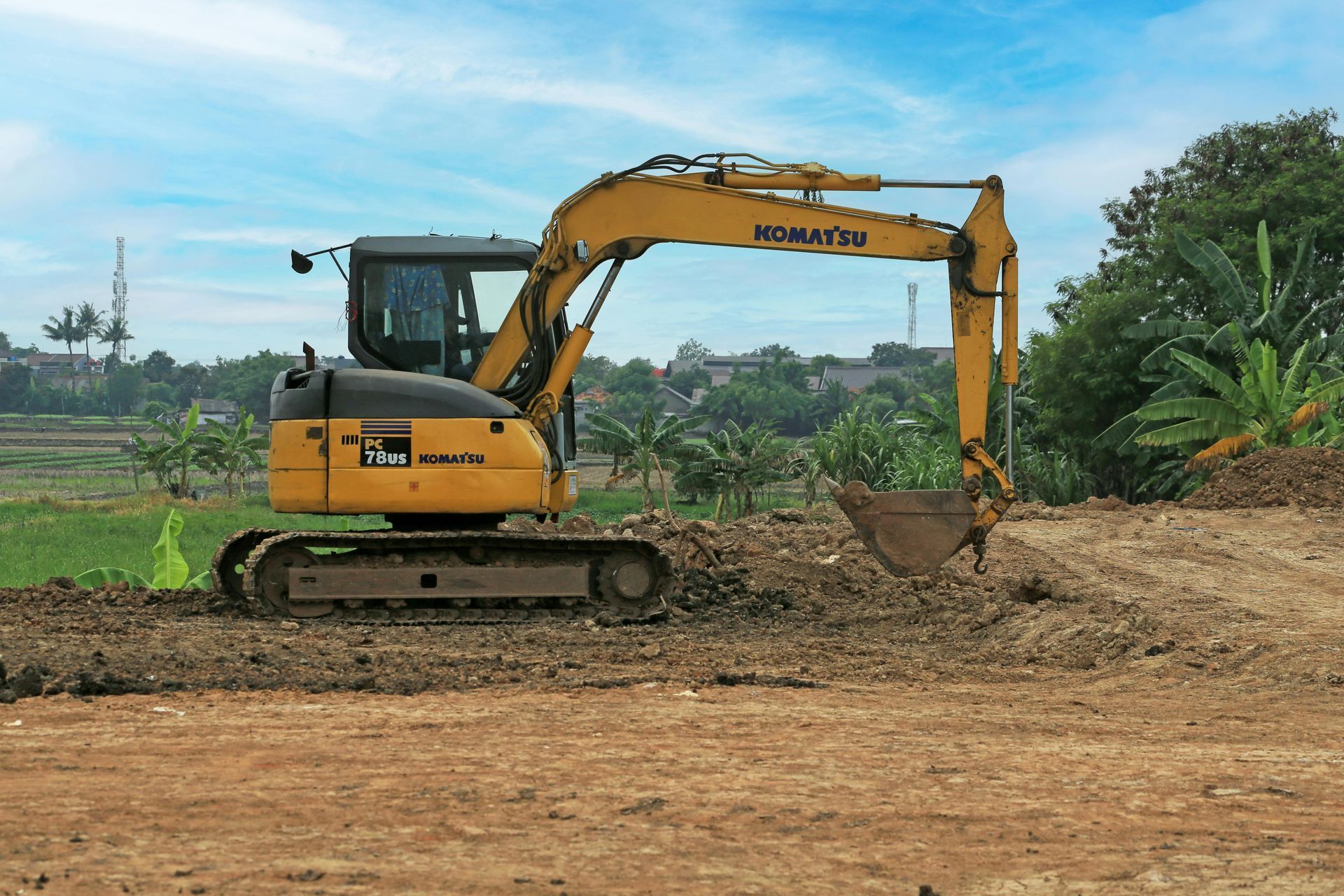
The process begins with clearing the site of vegetation and debris, then using grading equipment to establish the desired elevations and drainage patterns. Soil is compacted in layers to prevent settling, which is critical on sandy Northeast Florida soils that shift under load if not properly stabilized. Final grading leaves the surface smooth and ready for the next phase, whether that's pouring a foundation, installing utilities, or laying aggregate base for driveways.
Schedule a site evaluation to assess the existing grade, identify drainage concerns, and outline the preparation work required.
Why Drainage and Compaction Matter Before Building
Grading establishes the property's drainage flow, directing water toward swales, retention areas, or existing waterways rather than allowing it to collect near structures. Inadequate grading causes water to pond against foundations, saturate crawlspaces, and erode soil from under slabs and driveways. Proper slopes are typically one to two percent, enough to move water without creating erosion channels, and the direction is planned around the building footprint, septic systems, and adjacent properties. In St. Johns, where water tables are high and summer storms drop heavy rainfall quickly, grading directly affects whether a site remains dry and stable.
Once grading is complete, the site has uniform elevations, no unexpected dips or humps, and soil that's been compacted to support structural loads. You avoid the settling and cracking that occur when foundations are poured on loose fill, and utility trenches can be dug without encountering unstable soil pockets. Builders can set forms, pour concrete, and frame structures without delays caused by water infiltration or uneven bearing surfaces.
Grading also addresses erosion risks by stabilizing slopes and establishing vegetation zones where appropriate. Sites with steep grades may require terracing or retaining structures to prevent soil movement, and final surfaces are smoothed to promote sheet flow rather than concentrated runoff that carves gullies. The work integrates with local stormwater requirements, ensuring the site meets permitting standards before construction begins.
Questions Before Starting Your Project
Property owners preparing to build in St. Johns often ask how grading affects construction timelines and what the finished site should look like.
What does site preparation include beyond grading?
It typically includes clearing vegetation, removing stumps and debris, establishing rough grades for drainage, and compacting soil in areas that will support structures or paving. Final grading fine-tunes elevations and prepares the surface for the next construction phase.
How is soil compaction tested to confirm it's ready for building?
Compaction is achieved by running heavy equipment over fill material in thin layers, forcing air pockets out and increasing density. Some projects require geotechnical testing to verify compaction meets engineering specifications, particularly for commercial sites or areas with known soil instability.
When does grading need to account for septic systems or wells?
Grading must direct surface water away from septic drain fields and well heads to prevent contamination. Elevations are planned to keep these systems above seasonal high water levels, and slopes ensure runoff doesn't flow toward absorption areas.
What causes standing water after grading, and how is it corrected?
Standing water usually results from low spots that weren't filled adequately or from soil compaction that created impermeable surfaces. Corrections involve adding fill, regrading to eliminate depressions, or installing drainage features like swales or French drains to move water off-site.
How long does site preparation take for a typical residential lot in St. Johns?
A standard quarter-acre lot with moderate clearing and grading typically takes three to five days, depending on vegetation density, soil conditions, and how much cut-and-fill work is required. Larger parcels or sites with complex drainage needs extend the timeline accordingly.
J&M Land and Demo provides complete site preparation and grading services that meet engineering standards and local permitting requirements. Call (904) 738-3868 to discuss your project's grading needs and receive a detailed preparation plan with cost breakdown.