
Structures Protected from Wildfire Fuel Buildup
Fire Mitigation & Defensible Space Services in St. Johns for rural properties with dead trees, heavy brush, and vegetation encroaching on homes
Wooded properties in Northeast Florida accumulate dry brush, dead trees, and dense understory growth that become ignition sources during wildfire conditions. J&M Land and Demo removes hazardous vegetation around homes and structures, creating defensible space that slows fire spread and improves access for emergency vehicles. The work focuses on reducing fuel load within zones established by local fire safety guidelines, which typically require cleared perimeters of thirty to one hundred feet depending on structure type and surrounding terrain.
Mitigation involves cutting dead trees, grinding brush, and thinning overgrowth that connects ground fuels to tree canopies. This disrupts the vertical ladder that allows ground fires to reach crowns, where they spread rapidly and generate intense heat. Rural properties with narrow access roads also benefit from cleared routes that allow fire trucks to maneuver, which matters when response times are already extended by distance from stations.
Arrange a property assessment to identify high-risk zones and develop a customized mitigation plan.
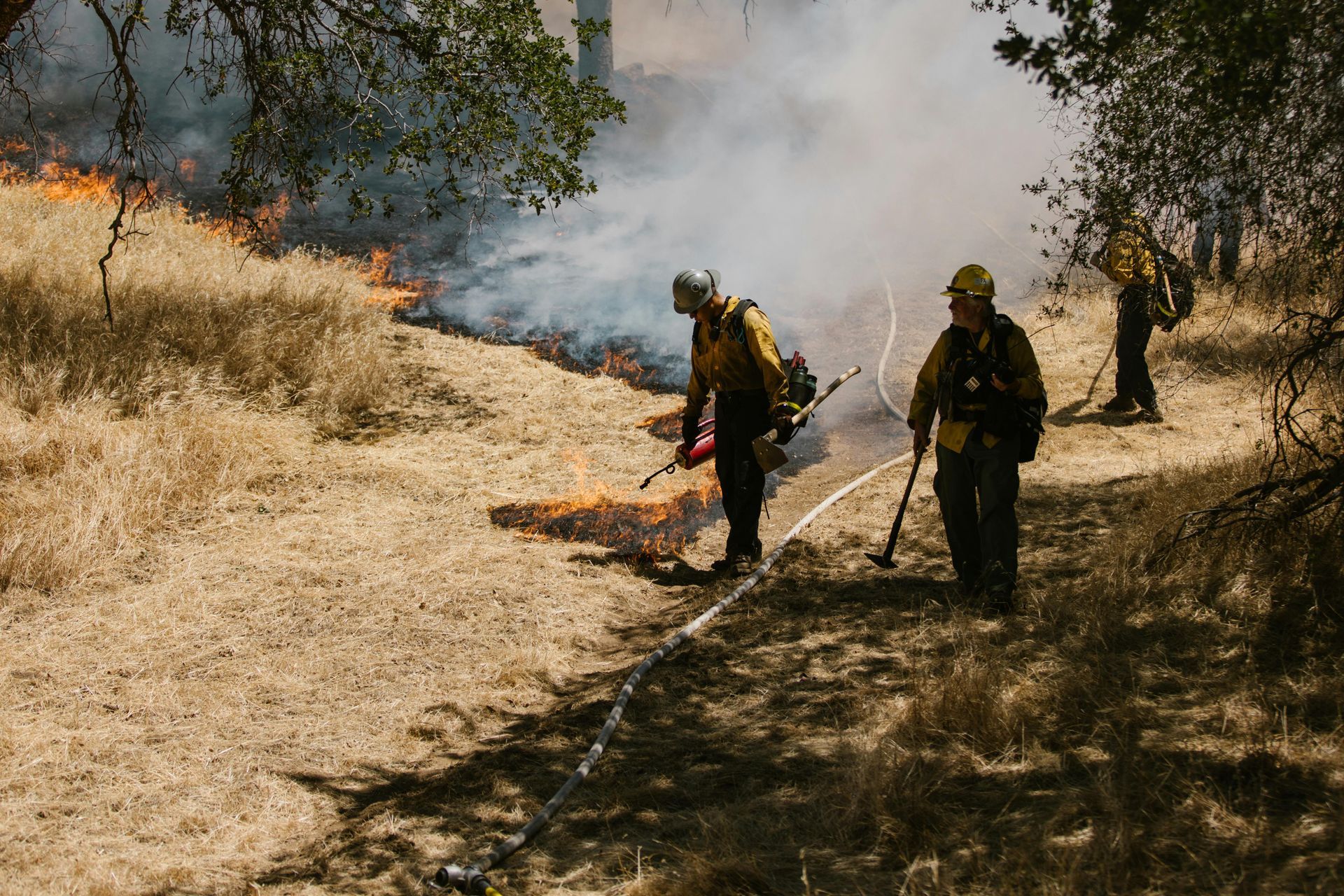
What Defensible Space Actually Accomplishes
Creating defensible space doesn't fireproof a property, but it removes the continuous fuel bed that carries flames toward structures. The inner zone, closest to the home, is cleared of all flammable debris, dead vegetation, and low-hanging branches. The outer zone is thinned to increase spacing between trees and shrubs, reducing the intensity of any fire that reaches the perimeter. St. Johns properties with pine and oak mixes face particular risk because pine needles accumulate rapidly and oak deadfall adds dry fuel layers.
After mitigation, you'll see clear sight lines around the home, improved air circulation that reduces moisture buildup, and fewer hiding spots for pests. Emergency responders can approach the structure without navigating dense brush or overhanging limbs. The cleared perimeter also makes it easier to spot storm damage, encroaching vines, or new growth before it becomes a fire risk again.
Maintenance depends on how aggressively vegetation regrows. Properties in full sun may need annual brush control, while shaded sites with controlled undergrowth can go longer between services. Plans include options for periodic maintenance to keep fuel loads low without repeating full-scale clearing.
Common Concerns About Fire Mitigation Work
Homeowners on wooded acreage in St. Johns often need clarification on what mitigation involves and how it affects property appearance.
What qualifies as hazardous vegetation for fire mitigation purposes?
Dead trees, dense brush within thirty feet of structures, and understory growth that connects ground fuels to tree canopies all increase fire risk. Mitigation removes these elements while preserving healthy trees that provide shade and erosion control.
How does thinning differ from full clearing?
Thinning removes select trees and shrubs to increase spacing and reduce fuel density, but it leaves the property wooded. Full clearing removes all vegetation, which is rarely necessary for fire safety and eliminates the benefits of tree cover.
When should mitigation work be scheduled in Northeast Florida?
Late winter and early spring, before new growth accelerates, allow for easier access and visibility. Completing the work before fire season, which peaks in late spring, gives the property the full benefit of reduced fuel load during high-risk months.
What happens to the removed material?
Brush and small trees are mulched on-site or hauled away depending on volume and property access. Large dead trees are sectioned and removed entirely to eliminate the fuel source.
How do local fire safety guidelines affect the scope of work?
St. Johns properties may need to meet specific clearance distances or access standards depending on zoning and proximity to wildland areas. Mitigation plans are developed to address these requirements while balancing the property's usability and appearance.
J&M Land and Demo evaluates your property's fire risk and develops a mitigation approach that aligns with local guidelines and your long-term land use goals. Contact the office to schedule an on-site evaluation and receive a detailed scope of work.