
Sites Ready for Construction Without Delays
Land Clearing Services in St. Johns for properties requiring full removal of trees, stumps, brush, and debris before development
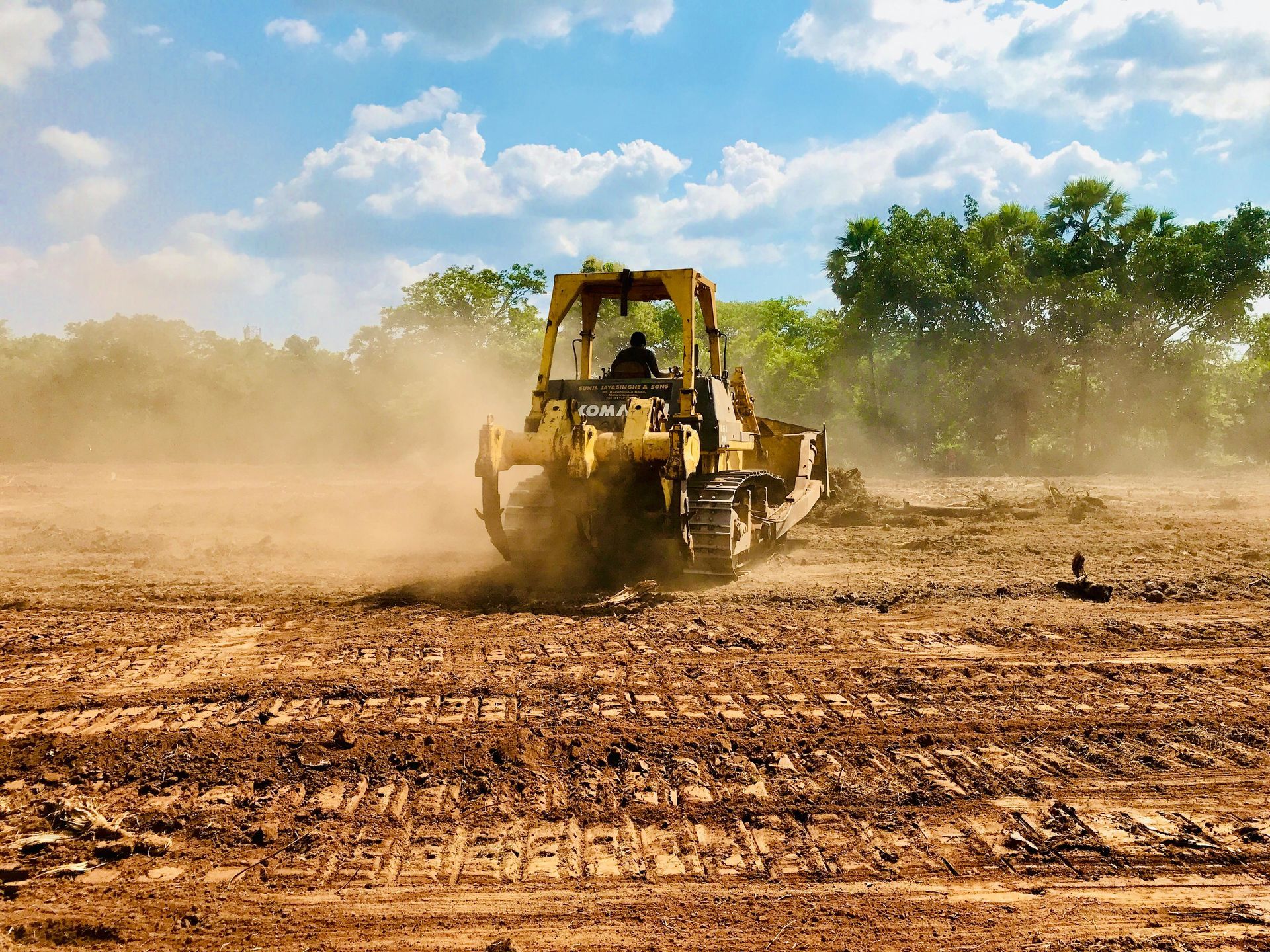
Full-scale clearing prepares raw land for construction, farming, or commercial development by removing all standing vegetation, stumps, and surface debris. J&M Land and Demo operates heavy equipment capable of handling large acreage projects in St. Johns, where pine forests, palmetto thickets, and mixed hardwoods create dense growth that requires controlled removal techniques. The process includes grubbing stumps below grade, hauling away debris, and leaving the site clean enough for grading or foundation work to begin immediately.
Clearing involves cutting trees, extracting root systems, and removing brush in a sequence that prevents damage to surrounding property or drainage patterns. Safe clearing on sloped terrain requires planning the direction of tree falls and managing debris piles to avoid soil compaction in areas designated for building. Northeast Florida's sandy soils settle unevenly if stumps are left to decompose underground, so thorough grubbing prevents foundation problems years after construction is complete.
Schedule a site visit to review the layout, access routes, and timeline for your clearing project.
How Full Clearing Differs from Selective Work
Selective clearing preserves certain trees or natural features, but full clearing removes everything to establish a blank slate for development. This approach is necessary when building pads, parking areas, or agricultural fields require uniform surfaces without obstructions. The work includes final cleanup, which means no debris piles, no partially buried stumps, and no root masses that interfere with grading equipment. Projects that skip thorough cleanup often face delays when grading contractors encounter hidden obstructions or when permitting inspectors flag incomplete site preparation.
Once clearing is finished, the property surface is level and free of organic material that would decompose and create voids under foundations or pavement. You can begin excavation, trenching for utilities, or soil stabilization without waiting for additional debris removal. Residential builders appreciate the clean surface because it eliminates surprises during the foundation phase, and commercial developers avoid schedule disruptions caused by incomplete land prep.
Hauling involves multiple truckloads for larger projects, and disposal follows local regulations for green waste and construction debris. Pricing reflects acreage, vegetation density, and haul distance, with itemized estimates provided before work begins. Projects with difficult access or wetland buffers require additional planning to meet environmental protections while completing the clearing.
Answers to Frequent Land Clearing Questions
Developers and property owners in St. Johns commonly ask about timelines, what's included in full clearing, and how the process affects project schedules.
What types of vegetation require heavy equipment for removal?
Pine trees over eight inches in diameter, palmetto root systems, and mature hardwoods all need tracked equipment with grappling and cutting attachments. Brush and saplings can be cleared with lighter machinery, but stumps and root balls require excavation.
How long does clearing take for a typical residential lot?
A quarter-acre residential lot with moderate tree cover typically clears in one to two days, including stump removal and debris haul-away. Larger parcels or heavily wooded sites extend the timeline based on density and access.
What happens if the site has protected wetlands or buffers?
Clearing stops at marked buffer boundaries, and equipment operates outside protected zones. Wetland permits may require additional review, but upland clearing can proceed while environmental compliance is confirmed.
When is the best season to clear land in Northeast Florida?
Dry months from late fall through early spring allow equipment to move across the site without rutting soft ground. Summer clearing is possible on well-drained sites, but wet conditions can limit access and increase soil compaction.
What should the property look like after clearing is complete?
The site should be free of stumps, debris, and root masses, with the surface graded smooth enough for the next phase of work. Any remaining organic material, such as small root fragments, should be minimal and not interfere with construction equipment.
J&M Land and Demo provides turnkey land clearing with final cleanup and haul-away included, so your project timeline stays on track. Call the office to discuss your site requirements and receive a detailed clearing estimate.