
Ground Prepared for Construction and Drainage
Excavation & Dirt Work Services in St. Johns for foundation pads, utility trenches, and properties requiring improved drainage
Excavation establishes the ground conditions necessary for stable foundations, functional drainage systems, and utility installations that perform as designed. The work involves removing or redistributing soil to create level building pads, trenches for water lines or electrical conduit, and contours that direct stormwater away from structures. J&M Land and Demo operates excavation equipment across Northeast Florida, handling residential, farm, and commercial projects where precise grading and dirt moving are required before construction or land improvement can proceed.
Excavation planning identifies existing grade elevations, soil composition, and drainage flow patterns that affect how dirt is moved and where material is placed. Trenching for utilities requires specific depth and width dimensions to meet code requirements, while foundation excavation must reach stable soil layers that support structural loads. Rough grading shapes the land to improve property function, whether for building sites, access routes, or water management.
Request an estimate based on your project scope and site conditions.
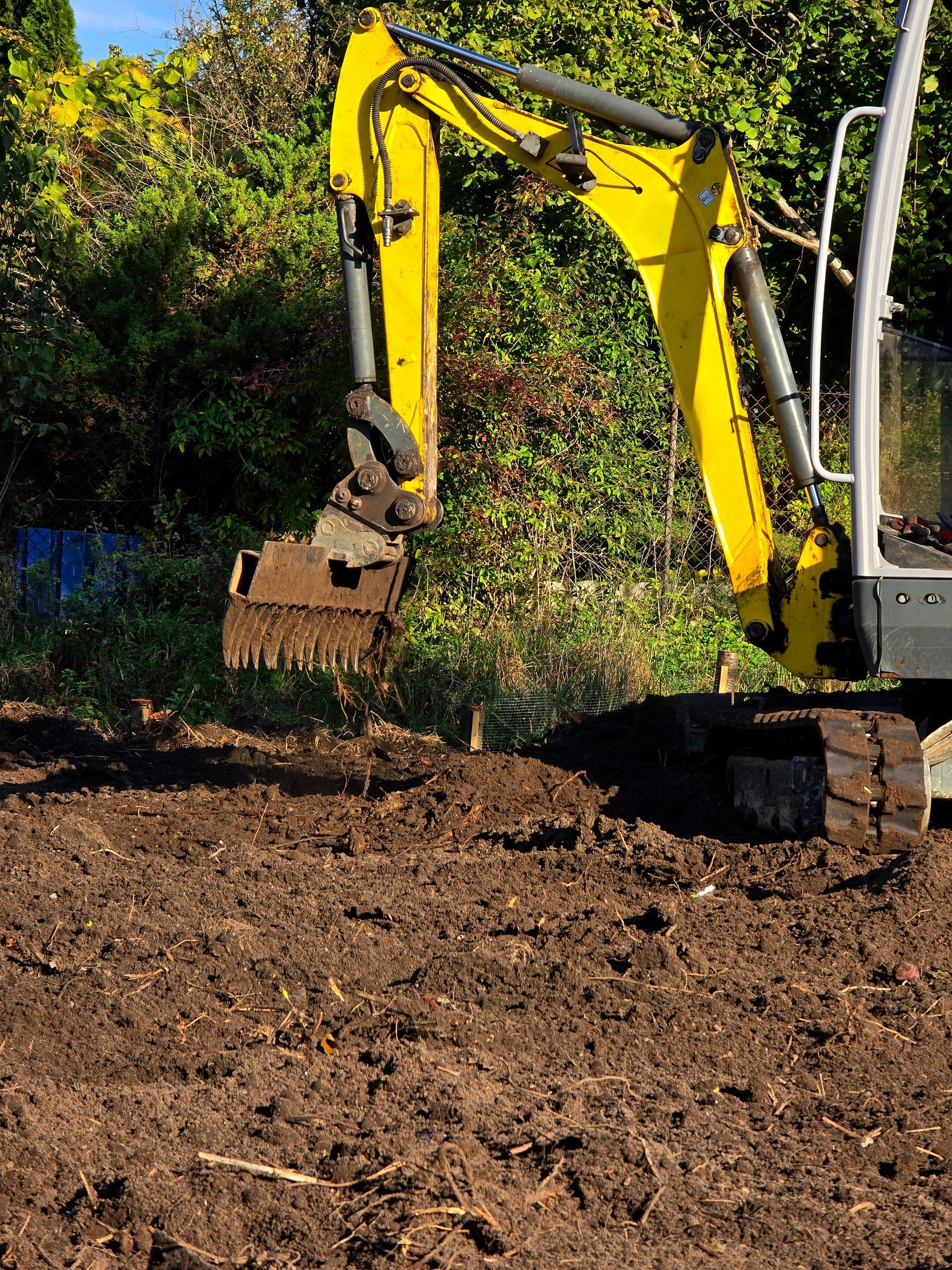
Why Land Contouring Works for Drainage
Experienced operators use excavation equipment to cut into high areas and fill low spots, creating deliberate slopes that move water toward drainage points. The process accounts for soil settling, compaction requirements, and the final grade needed for construction or landscaping. Projects range from small residential pads to large farm or commercial sites where significant dirt volume must be moved to achieve the desired topography.
Once excavation and grading are complete, the site has defined elevations that prevent water from pooling near foundations or access routes. You'll see level building pads, trenches ready for utility installation, and contoured ground that channels stormwater predictably during rain events. The soil surface is stable and compacted where needed, providing a solid base for the next construction phase.
Dirt work services include moving material within the site to minimize hauling costs, importing fill when additional soil is needed, or removing excess dirt that cannot be redistributed. Trenching depth and width are adjusted based on what the trench will carry, whether water lines, drainage pipes, or electrical conduit. Reliable equipment and experienced operators ensure excavation proceeds on schedule without unnecessary rework or delays.
Common Questions About This Service
Excavation work in St. Johns often encounters the sandy soils typical of Northeast Florida, which drain well but require careful compaction to support structural loads.
What is rough grading and when is it needed?
Rough grading shapes the land to establish general elevations and drainage patterns before construction begins. The process creates level areas for buildings, slopes for water runoff, and access routes that remain passable during wet conditions.
How deep do utility trenches need to be?
Trench depth depends on the utility type and local code requirements, which specify minimum burial depths for water lines, sewer pipes, and electrical conduit. Proper depth protects utilities from surface traffic and temperature fluctuations while ensuring code compliance.
Can excavation fix existing drainage problems?
Excavation corrects drainage issues by reshaping the ground to direct water away from structures and low-lying areas. The work establishes swales, berms, or graded slopes that prevent water from pooling where it causes erosion, flooding, or foundation concerns.
What soil conditions affect excavation in Northeast Florida?
Sandy soils drain quickly but require compaction to support foundations and prevent settling. Clay layers, when present, affect how water moves through the ground and may require additional drainage measures to keep sites dry during construction.
How is excavated dirt managed during the project?
Dirt is redistributed within the site when possible to minimize hauling costs and material waste. Excess soil is removed and hauled off-site, while projects needing additional fill have material imported to reach the desired grade elevations.
J&M Land and Demo handles excavation and dirt work projects throughout St. Johns using equipment suited for residential, agricultural, and commercial applications. Set up a site review to discuss your grading and excavation needs in detail.