Land Health Maintained Through Selective Clearing
Forestry Management Services in St. Johns for overgrown acreage, erosion-prone wooded areas, and properties with invasive vegetation
Overgrown forests reduce property accessibility, suppress healthy tree growth, and increase erosion risk on sloped or sandy soils common in Northeast Florida. Selective tree removal and thinning address these conditions by opening canopy space, eliminating competition among trees, and removing invasive species that drain soil nutrients. J&M Land and Demo provides forestry management services throughout St. Johns, improving land health and long-term property value by customizing clearing strategies to each landowner's objectives.
Forest management begins with assessing tree density, identifying invasive vegetation, and determining which areas require thinning to support sustainable growth. Selective removal targets trees that are diseased, overcrowded, or competing with healthier specimens, allowing remaining trees to access more sunlight, water, and soil nutrients. This approach improves forest sustainability while maintaining ground cover that prevents erosion.
Schedule a property walkthrough to assess forest conditions and discuss management objectives.
What You Notice Once Thinning Is Finished
Thinning services involve cutting and removing selected trees, then clearing underbrush that inhibits access or fuels wildfire risk. Equipment choice depends on terrain, tree size, and whether the work requires precision around features like trails, fence lines, or structures. Controlled clearing preserves desirable trees and minimizes soil disturbance that could trigger erosion on properties with variable topography.
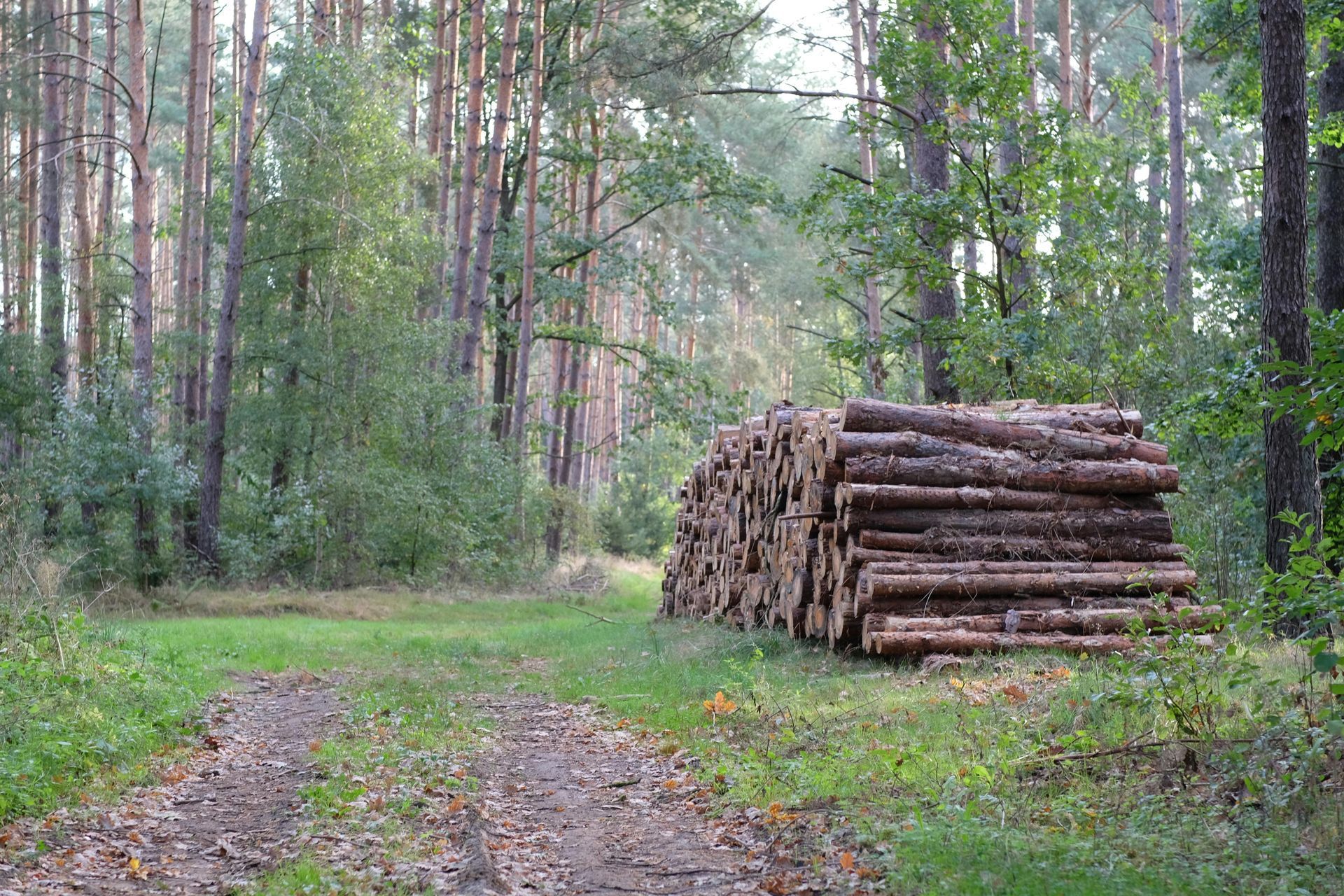
After thinning is complete, you'll notice improved sightlines through the wooded areas, easier vehicle or foot access across the property, and healthier growth among remaining trees. The forest floor receives more sunlight, which encourages native groundcover that stabilizes soil and crowds out invasive plants. Erosion slows because root systems remain intact and the canopy continues to intercept rainfall, reducing the velocity of water reaching the ground.
The service includes managing regrowth and invasive species that compromise forest health over time. Private landowners use selective clearing to prepare acreage for trails, wildlife habitat improvements, or timber production. Reducing overcrowding also lowers wildfire risk by eliminating ladder fuels and decreasing tree density that allows fires to spread through the canopy.
Questions Before Starting Your Project
Forestry work in St. Johns must account for the region's sandy soils and rapid vegetation growth rates, which affect how quickly cleared areas regenerate.
What determines which trees are removed during thinning?
Trees are selected based on health, spacing, species type, and the landowner's goals for the property. Removing overcrowded, diseased, or invasive trees allows healthier specimens to thrive while improving access and reducing erosion risk.
How does selective clearing reduce erosion?
Maintaining tree cover and root systems stabilizes soil while opening the canopy enough for groundcover to establish. This balance prevents the bare soil conditions that lead to erosion during heavy rain, especially on slopes or sandy ground common in Northeast Florida.
When is the best time to schedule forestry management?
Scheduling depends on property conditions and objectives, but work is often completed during dry seasons when equipment can access the land without causing soil compaction or rutting. Timing also considers wildlife activity and nesting periods if habitat preservation is a priority.
Can forestry services improve property value?
Managed forests increase property appeal and functionality by improving access, reducing fire risk, and supporting healthier tree growth. Land that is accessible and well-maintained often attracts higher valuations than overgrown acreage that requires extensive clearing before use.
What happens to the cleared vegetation?
Trees and brush are typically removed from the site, chipped for mulch, or processed for timber depending on size and species. Debris disposal is included in the service, so no material is left to decay on the property unless the landowner requests it for habitat purposes.
J&M Land and Demo works with private landowners throughout St. Johns to develop customized forestry management plans that balance accessibility, sustainability, and land health. Arrange a site visit to review your acreage and discuss clearing priorities.